•Chillers
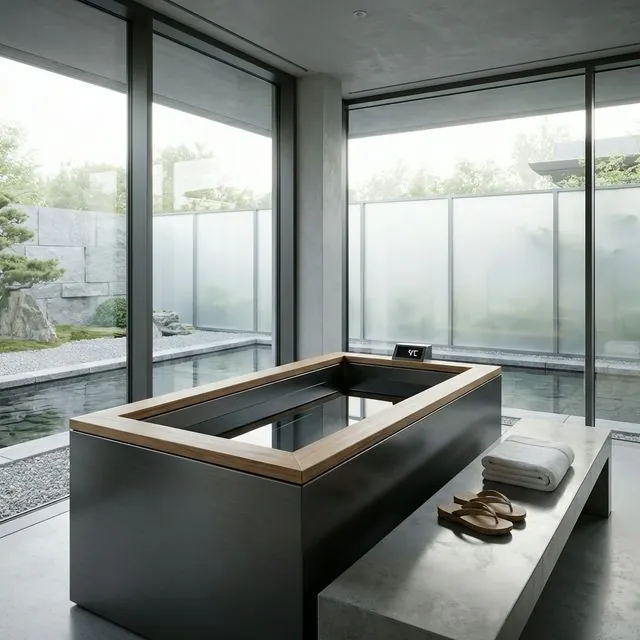
Cold Plunge Won't Get Cold in Summer? Here's Why
Cold plunge stuck at 55-60F in July? The chiller usually is not broken. Here is the diagnostic order for summer heat stalls, cheapest fix first.
Read Article
Practical guides for water care, ownership cost, troubleshooting, and realistic setup decisions.
Cloudy water, bad smells, slime, and sanitation fixes.
Electricity, chemicals, water changes, and ownership math.
Timing guidance for runners, CrossFit, BJJ, and swim recovery.
Evidence-aware pages for sleep, stress, and daily function.
Cold plunge stuck at 55-60F in July? The chiller usually is not broken. Here is the diagnostic order for summer heat stalls, cheapest fix first.
Green cold plunge water is algae, and algae needs light. How to clear it fast, why summer outruns your sanitizer, plus oil slick and bug fixes.
Cold plunge condensation is dew point physics, not a leak. The math behind the sweating, plus the fixes that stop puddles, drips, and mold.
Most cold plunge owners should change water every 30 to 90 days depending on sanitizer, filtration, usage, and climate. Here is the practical rule set.
Cloudy cold plunge water usually means low sanitizer, heavy organic load, or weak filtration. Here is how to diagnose it and clear it fast.
The true cost of a cold plunge is purchase price plus electricity, water, chemicals, filtration, and maintenance time. Here is the full breakdown.
A bad-smelling cold plunge usually means stagnant water, low sanitizer, or hidden biofilm in the plumbing. Here is how to diagnose and fix it.
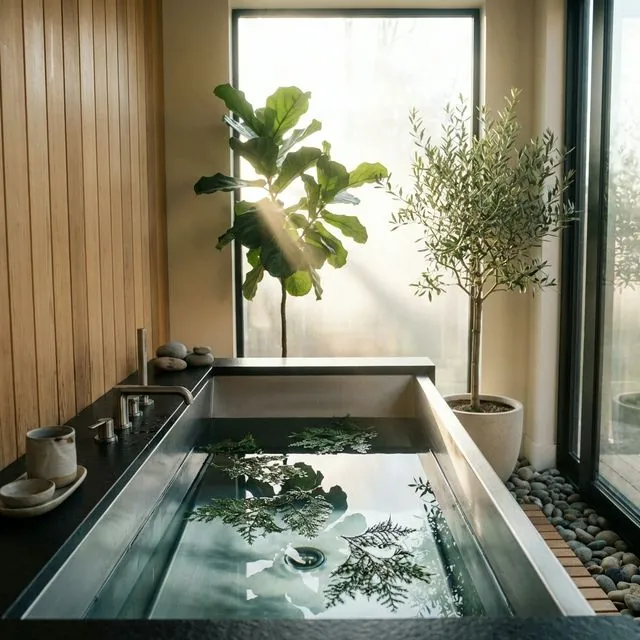
Swimmers can use cold plunges after race sets, doubles, and heavy shoulder load, but easy technical days usually do not need it.
Cold plunging may support sleep for some people, but late hard sessions can also feel too stimulating. Timing matters more than intensity.
Runners should use cold plunges differently after speed sessions, long runs, and races. Here is the practical timing and temperature playbook.
Cold plunges help CrossFit athletes recover after metcons and competition, but can blunt strength gains after heavy lifting. When to plunge and when to skip.
BJJ athletes can benefit from cold plunges after tournaments, hard rounds, and dense training blocks, but not every roll session needs one.
Cold plunging may help some people feel calmer or more resilient, but it is not a treatment for anxiety disorders and should be approached carefully.
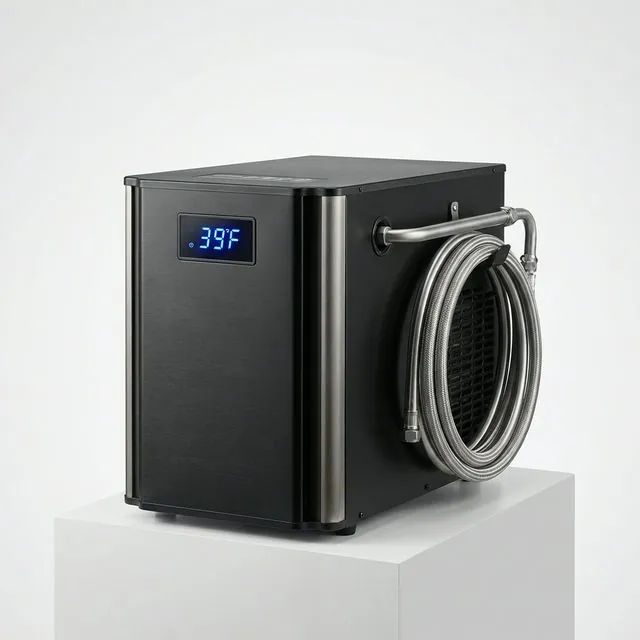
Cold plunge electricity cost usually runs from a few dollars a month for simple circulation to well over $100 in hot climates with large chillers.
Cold plunge biofilm is the slimy bacterial layer that builds on walls, hoses, and filters when sanitation falls behind. Here is how to remove it.
Find the right cold plunge duration by temperature and experience level, with a simple rule set for safer, more effective recovery sessions.
What temperature should a cold plunge be? Beginners: 55-60°F for 2-5 minutes. Full temp-and-time chart for recovery, mood, and adaptation goals inside.
Learn which cold plunge benefits are best supported by research and how to use cold water immersion safely for recovery, mood, and resilience.
Learn when a cold plunge helps after training and how to time cold water immersion for endurance, conditioning, and strength work.