Cold Plunge Total Cost of Ownership
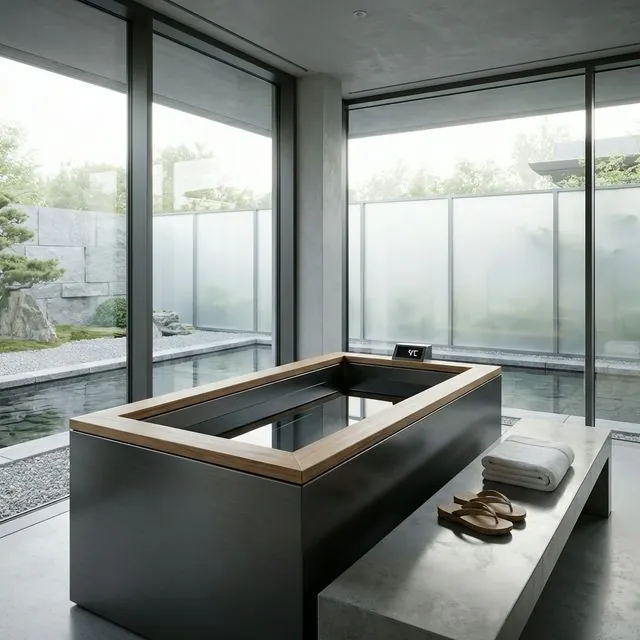
The total cost of ownership for a cold plunge is not the sticker price. It is the sticker price plus electricity, water, chemicals, filters, maintenance supplies, and the practical cost of keeping the setup usable week after week.
That is why a "cheap" plunge can become an expensive ownership path, while a more expensive tub with better insulation and cleaner operation can make more sense over time.
What should you include in total cost of ownership?
A useful ownership model includes:
- upfront tub or build cost
- chiller cost
- electricity or ice cost
- water replacement cost
- sanitizer and testing supplies
- filter replacements or cleaning supplies
- small accessories that become mandatory in practice
If you leave out half of that list, the comparison is not real.
What does year-one cost usually look like?
For most home setups, year one is the expensive year because that is when you absorb the hardware purchase.
Typical patterns:
- Simple inflatable cold plunge setup: lowest entry cost, but often highest inconvenience
- Stock tank or hybrid DIY build: strong value if you can manage maintenance and insulation well
- Premium integrated system: high initial cost, lower friction, often steadier daily ownership
The right answer depends on whether you value lower cash outlay now or lower friction later.
What does year-two cost tell you?
Year two is where the ownership truth shows up.
Once the tub and chiller are paid for, the running cost becomes the signal:
- electricity or ice
- sanitizer and test supplies
- water changes
- filter upkeep
If a setup is expensive to operate, year two exposes it.
Which hidden costs surprise owners most?
These are the ones people underestimate:
Cooling method
Ice sounds cheap until you price repetition. A chiller sounds expensive until you stop buying bags of ice and wasting time on refill logistics.
Water care
Sanitizer, filters, and test supplies are not individually huge, but they are recurring. If the system is hard to clean, those costs rise with your frustration level.
Placement mistakes
Bad placement drives cost up quietly. Direct sun, warm patios, and weak insulation can punish the monthly bill.
Accessory creep
Lids, steps, thermometers, hoses, insulation wraps, and replacement cartridges add up. They belong in the ownership model too.
How do DIY and commercial systems compare?
DIY setups usually win on sticker price. Commercial systems often win on time, convenience, and fewer failure points.
That does not mean premium is always better. It means the real question is this: what is your tolerance for building, cleaning, troubleshooting, and upgrading?
If you are hands-on and consistent, a DIY system can be an excellent ownership play. If you want daily use with minimal friction, the premium route may be cheaper in practical terms even when the invoice is higher.
How should you use this information before buying?
Use this order:
- Estimate run cost with the cost calculator.
- Compare insulation and cooling approach in the chiller reviews.
- Compare tub options in best cold plunge tubs.
- Check the maintenance hub so you know what the real upkeep looks like.
If you are leaning toward the cheapest path, compare that math against the full inflatable cold plunge setup guide before you assume ice is the long-term bargain.
That gives you ownership math, not just buying hype.
What is the practical bottom line?
The best cold plunge is not the one with the flashiest product page. It is the one you can afford to run, keep clean, and keep using.
If you want a single number for year one versus year two, use the cost calculator. If you are still deciding between buy, build, or hybrid, stay inside the cost hub and compare ownership, not just purchase price.
You Might Also Like
Cold Plunge Electricity Cost by Setup
Cold plunge electricity cost usually runs from a few dollars a month for simple circulation to well over $100 in hot climates with large chillers.
How Often to Change Cold Plunge Water
Most cold plunge owners should change water every 30 to 90 days depending on sanitizer, filtration, usage, and climate. Here is the practical rule set.
Cold Plunge Water Cloudy? Causes and Fixes
Cloudy cold plunge water usually means low sanitizer, heavy organic load, or weak filtration. Here is how to diagnose it and clear it fast.
Best Cold Plunge Tubs for 2026
Our top-rated cold plunge tubs after hands-on testing.