Hot Tub to Cold Plunge Conversion: Pro Setup Guide
Have an old spa sitting empty? Learn how to retrofit a high-power chiller into your hot tub's existing plumbing for a luxury cold plunge.
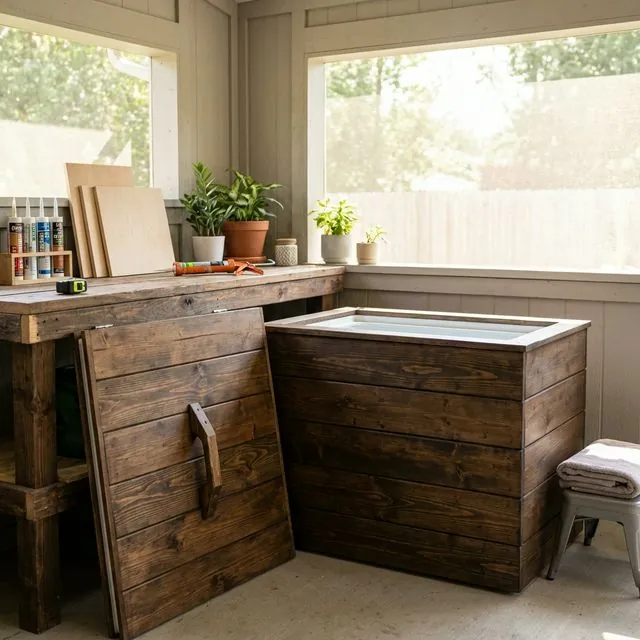
Repurposing a hot tub is one of the smartest DIY moves. You get a professional-grade shell, filtration, and insulation for a fraction of the cost of a new cold plunge — the three most expensive things to replicate in any build, already engineered and already in your backyard. Compare this approach with other methods in our DIY cold plunge overview.
The catch is that a hot tub was designed to move heat in the wrong direction. The conversion is really three jobs: making sure the spa can never heat the water, adding a machine that can cool it, and giving yourself control over a temperature range the original electronics never anticipated.
Is Your Hot Tub a Good Candidate?
Before buying anything, check three things:
- The shell holds water. A spa that has sat dry for years can develop shell cracks and perished gaskets. Fill it, run the pump, and watch for drips at every union before investing in a chiller.
- The pump and filter still work. They become the circulation heart of your cold plunge. A working pump is a huge head start; a dead one changes the project's economics.
- You have power for two appliances. The spa's pump and the new chiller both need supply. Most chillers run on a standard GFCI-protected circuit, but confirm before the weekend starts.
A free or cheap used spa with a sound shell is one of the best value entry points into cold plunging — better seating, filtration, and insulation than any budget purpose-built option.
The Strategy
- Bypass the heater: Disconnect the heating element to prevent accidental activation. On most spas this means pulling the heater's supply connections at the control pack, not just setting the thermostat low — you want heating to be physically impossible, not merely disabled in software. Water still flows through the (now inert) heater housing unchanged.
- Install the chiller: Plumb your 1/2 HP or 1 HP chiller into the existing pump return line, after the filter and before the jets. The spa's own pump pushes water through the chiller's heat exchanger, so you are adding a cooling stage to a loop that already works. Use unions on both chiller connections — you will thank yourself at winterizing time.
- Control integration: Use a digital thermostat to override the hot tub's built-in controls (which usually don't go below 60°F). An inline temperature controller with its own probe running the chiller is the clean solution: set your target, walk away, and let the spa electronics believe whatever they want.
Sizing the Chiller for a Spa
Hot tubs hold more water than most purpose-built plunges — commonly 300-400+ gallons versus around 100 for an upright barrel. That volume is why chiller sizing matters more here than in any other build. A 1 HP unit like the AS ColdPlunge 1 HP handles a full-size spa; a 1/3 HP unit will get there eventually thanks to the insulation, but the initial pull-down from tap temperature can take more than a day and hot-summer recovery will feel slow. Our temperature control guide walks through the sizing logic.
One trick worth considering: if the spa seats six and you plunge alone, you don't need to chill the whole thing to 40°F. Many converters run the tub at a moderate 50-55°F — still solidly in the effective range in our temperature guide — and let the smaller temperature gap cut electricity use substantially.
Pros
- Built-in ergonomic seating — the most comfortable soak position of any DIY option.
- Superior filtration systems that extend time between water changes.
- Best-in-class insulation: a spa cabinet full of foam holds cold as well as it ever held heat.
- Jets, if you keep them plumbed, provide excellent circulation for even cooling.
Cons
- High energy use if not properly managed — big volume plus an undersized chiller means long compressor hours.
- Complex plumbing if the spa shell is fully enclosed; some cabinets require real disassembly to reach the return line.
- The footprint: you keep the full spa's bulk for what is functionally a one-person plunge.
- Old spa electronics can be temperamental; budget patience for quirks.
Water Care
Hot tub conversions benefit from the existing filtration system, but you still need proper sanitation. Cold water slows biological growth compared to a 104°F spa, but it doesn't stop it — biofilm in the plumbing loop is the classic conversion problem, especially in a spa that sat unused. Before the first cold fill, run a line-flush product through the plumbing to purge whatever lives in the pipes, then follow our water care and maintenance guide for chemical treatment protocols. If the water clouds or smells despite good numbers, our biofilm guide covers the fix.
With working filtration and a lid, expect water changes at the friendlier end of the schedule in how often to change cold plunge water — though at 300+ gallons, each change is a bigger event, so protect that interval by rinsing before every soak.
New to cold plunging? Check our beginner's guide for safe temperature progression before you chase the coldest number on the thermostat.
Winter Operation
A converted spa is arguably the best winter cold plunge you can own: the insulation that once held 104°F now keeps your water from freezing solid, and in below-freezing air you may need no chiller at all for months. The risk is the plumbing — external runs to the chiller freeze before the tub does. Decide whether you are running year-round (keep water circulating; moving water resists freezing) or shutting down (drain the chiller loop completely), and follow the winterizing guide either way.
Related Guides
- DIY Cold Plunge Overview: All Build Methods -- Compare all 6 DIY approaches
- Stock Tank Cold Plunge -- Alternative if you do not have a hot tub
- DIY Chest Freezer Cold Plunge -- Budget option with built-in cooling
- Cold Plunge Water Care -- Sanitation and chemistry guide
- Getting Started with Cold Plunge -- Beginner safety and protocols
- Winterizing Your Cold Plunge -- Protect outdoor setups in winter
Sources
Conversion Equipment
Inkbird ITC-308 Temperature Controller
Control your chiller to maintain consistent cold temperatures.
Universal PVC Hose Adapter Kit
Plumbing adapters for connecting chillers to existing hot tub ports.
You Might Also Like
Wooden Frame Cold Plunge: Build Your Own Luxury Tub
Build a custom cedar-framed cold plunge with a waterproof liner, integrated chilling, and a premium look that suits permanent backyard setups.
Advanced Temperature Control for DIY Cold Plunges
Upgrade your DIY cold plunge with digital thermostats, smart controls, cooling schedules, and operating-cost controls that improve consistency.
Stock Tank Cold Plunge: 2-Hour Build Under $400 (2026)
Build a durable cold plunge with a galvanized stock tank, external chiller, and basic plumbing in one of the easiest DIY setups for beginners.
Best Cold Plunge Tubs for 2026
Our top-rated cold plunge tubs after hands-on testing.