Inflatable Cold Plunge Setup Guide for Beginners
Build an inflatable cold plunge setup for a garage, patio, or spare room. Compare tub types, cooling options, maintenance, and upgrade paths before you buy.
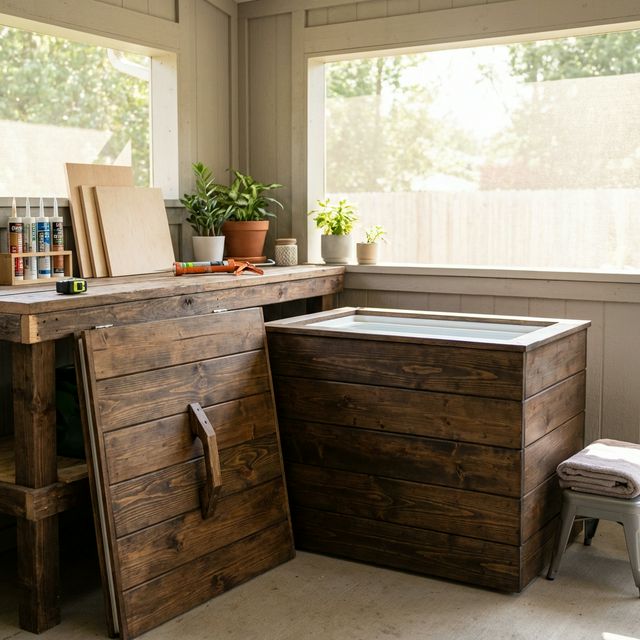
Inflatable tubs are the easiest way to start cold plunging at home without committing to a permanent build. They are affordable, portable, and easy to pack away between sessions, which makes them a strong fit for renters, garages, patios, and first-time buyers. New to cold plunging? Start with our beginner's guide for safe temperature protocols. If you want to compare every DIY route before you buy, use the full DIY cold plunge build comparison.
Quick Answer
An inflatable cold plunge setup is the right move if you want the lowest upfront cost, the simplest setup, and the flexibility to move or store the tub later. It is not the best long-term solution for daily heavy use, but it is the easiest way to test whether cold plunging fits your life before you spend more.
Materials List
- Tub: A basic inflatable ice bath or a drop-stitch inflatable tub.
- Ground layer: Foam mat, rubber mat, or tarp to protect the base.
- Cover: A lid or fitted cover to hold temperature between sessions.
- Thermometer: A floating or digital thermometer from our cold plunge accessories guide.
- Water care basics: Test strips and sanitizer guidance from our water care guide.
Which Inflatable Tub Type Makes Sense?
Standard Inflatable Ice Bath
This is the lowest-cost entry point. It works best for occasional use with ice, short sessions, and people who want a portable tub they can deflate and store.
Drop-Stitch Inflatable Tub
This is the better choice for a semi-permanent inflatable cold plunge setup. The walls are stiffer, the insulation is better, and the tub is more realistic to pair with a dedicated chiller over time.
Step 1: Choose the Right Location
Pick a flat surface with enough room to get in and out safely. A garage, shaded patio, covered deck, or spare room works well. Avoid sharp gravel, rough concrete edges, and full sun if possible, because direct heat will make the water harder to keep cold.
Step 2: Build the Base and Fill the Tub
Use a mat or tarp under the tub before inflation. Fill the tub with clean water, check the seams, and make sure the drain valve is easy to access. If this is your first setup, keep it simple and confirm you can fill, drain, and wipe down the tub comfortably before adding more gear.
Step 3: Pick Your Cooling Method
Ice-First Setup
This is the cheapest way to start. Budget roughly $5 to $10 per session in ice depending on climate, water volume, and target temperature. It works well for trial use, but the cost and hassle add up fast.
Chiller-Ready Setup
If your inflatable tub has bulkhead fittings or accepts aftermarket fittings, a small external chiller makes the setup far easier to use regularly. Most inflatable builds pair best with the smaller units in our cold plunge chiller reviews, especially when you add a cover and keep the tub out of direct sun.
Step 4: Lock In a Basic Maintenance Routine
Inflatables stay usable when you treat them like a real water system, not a kiddie pool. Keep the lid on, wipe the waterline, test the water weekly, and follow the sanitation plan in our cold plunge water care guide. Never drag the tub across rough ground, and keep sharp tools, pet claws, and patio furniture edges away from the liner.
Who Should Choose an Inflatable Cold Plunge Setup?
- Renters: easiest setup to move and store
- First-time plungers: lowest-cost way to test the habit
- Small-space owners: works in garages, patios, and spare rooms
- Budget buyers: lowest upfront cost if you are comfortable using ice
Common Mistakes to Avoid
- buying a thin tub for daily outdoor use
- setting the tub in direct sun with no cover
- skipping water care because the setup feels temporary
- assuming ice will stay convenient if you plunge often
- ignoring upgrade costs when you really want a permanent tub
When to Upgrade
If you outgrow your inflatable cold plunge setup, the most logical next step is usually a stock tank cold plunge setup for easier daily use or a DIY chest freezer cold plunge build if you want built-in cooling at a lower long-term operating cost. Compare all six routes in the full DIY cold plunge guide.
Related Guides
- DIY Cold Plunge Overview: All Build Methods -- Compare all 6 DIY approaches
- Stock Tank Cold Plunge -- The next step up from inflatable
- DIY Chest Freezer Cold Plunge -- Budget build with built-in cooling
- Cold Plunge Water Care -- Keep your water clean
- Getting Started with Cold Plunge -- Beginner safety and protocols
- Cold Plunge Accessories -- Thermometers, timers, and comfort gear
Sources
Inflatable Setup Gear
CountyLine Galvanized Stock Tank (110 Gal)
Durable inflatable pool suitable for cold plunge use with ice or chiller.
Superior Pump 91250 Utility Pump
For draining and circulating water in inflatable setups.
Frequently Asked Questions
You Might Also Like
Wooden Frame Cold Plunge: Build Your Own Luxury Tub
Build a custom cedar-framed cold plunge with a waterproof liner, integrated chilling, and a premium look that suits permanent backyard setups.
Advanced Temperature Control for DIY Cold Plunges
Upgrade your DIY cold plunge with digital thermostats, smart controls, automation ideas, and cooling schedules that improve consistency and convenience.
Stock Tank Cold Plunge: 2-Hour Build Under $400 (2026)
Build a durable cold plunge with a galvanized stock tank, external chiller, and basic plumbing in one of the easiest DIY setups for beginners.
Best Cold Plunge Tubs for 2026
Our top-rated cold plunge tubs after hands-on testing.