DIY Chest Freezer Cold Plunge: $500 Weekend Build (2026)
Save thousands by converting a chest freezer into a temperature-controlled cold plunge with a full parts list, safety checks, and maintenance tips.
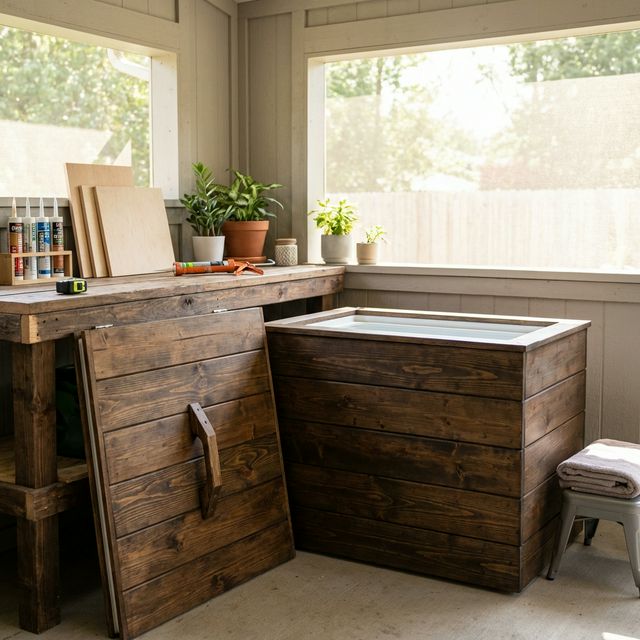
Quick Answer
A chest freezer cold plunge costs $400-$800 to build, reaches temperatures as low as 34°F, and takes a single weekend to complete. You need a 14-15 cu ft chest freezer, an Inkbird ITC-308 temperature controller, marine-grade sealant, a GFCI outlet, and a basic water filtration system. The build itself takes 2-4 hours of active work plus 24-48 hours of sealant cure time.
This is the most popular DIY cold plunge method because it delivers commercial-grade water temperatures at a fraction of the cost. We have been running a chest freezer setup for over 18 months and it consistently holds 38°F with no mechanical issues.
Why a Chest Freezer Is the Best Budget Cold Plunge
Commercial cold plunge tubs start at $4,000 and can run past $10,000 for models with integrated chillers. A chest freezer conversion delivers the same cold water temperatures for roughly $500 in total parts. Here is why this method works so well:
- Built-in refrigeration: The freezer's compressor already cools efficiently. You just need to control the temperature so it does not freeze solid.
- Well-insulated walls: Chest freezers are designed to maintain cold temperatures, which means less energy consumption than an open stock tank with an external chiller.
- Large enough to sit in: A 14-15 cu ft chest freezer fits most adults up to 6'2" comfortably in a seated position.
- Affordable and widely available: You can find suitable models new for $400-$600 or used on Facebook Marketplace for $100-$200.
The main drawbacks are the lack of a built-in drain, the need to waterproof the interior seams, and the absolute necessity of proper electrical safety precautions. This guide covers all three in detail.
Chest Freezer Comparison
Choosing the right freezer is the most important decision. You want at least 14 cu ft of interior space, a manual defrost system (not frost-free), and a reliable compressor. Here are the models we recommend:
| Freezer Model | Size | Dimensions (Interior) | Defrost Type | Price Range | Our Rating | Link |
|---|---|---|---|---|---|---|
| Midea MRC070S0AWW | 7.0 cu ft | 32"L x 20"W x 22"D | Manual | $200-$250 | 7.5/10 | Check Price |
| Midea MRC140S0AWW | 14.0 cu ft | 52"L x 25"W x 24"D | Manual | $400-$500 | 9.2/10 | Check Price |
| GE FCM16DTWW | 15.7 cu ft | 55"L x 26"W x 25"D | Manual | $500-$600 | 9.0/10 | Check Price |
| Criterion (Menards) | 14.8 cu ft | 53"L x 25"W x 24"D | Manual | $350-$450 | 8.5/10 | Available at Menards |
Our pick: The Midea 14.0 cu ft hits the sweet spot between interior space and price. Its flat-bottom interior makes sealing easier and the manual defrost compressor runs reliably at the higher temperature set points you will use with a controller.
Important: Avoid frost-free (auto-defrost) models. These cycle the compressor on and off aggressively and blow warm air into the cabinet, which creates condensation issues and inconsistent water temperatures.
Sizing Guide
- Under 5'8": A 10 cu ft freezer works, but it will be a tight fit.
- 5'8" to 6'2": The 14-15 cu ft range is ideal. You can sit with knees bent and submerge to chest level.
- Over 6'2": Consider a 20+ cu ft commercial chest freezer, or look at a stock tank setup instead for more room.
Temperature Controller Comparison
The temperature controller is what turns a freezer into a cold plunge. Without it, the freezer will cool the water below freezing and you will have a block of ice.
| Controller | Temp Range | Probe Type | Display | Price | Our Rating | Link |
|---|---|---|---|---|---|---|
| Inkbird ITC-308 | -50°F to 210°F | NTC Wired | Digital, Dual | $35-$40 | 9.5/10 | Check Price |
| Bayite BTC211 | -40°F to 230°F | NTC Wired | Digital, Single | $25-$30 | 8.0/10 | Check Price |
| Inkbird ITC-308 WiFi | -50°F to 210°F | NTC Wired | Digital + App | $45-$50 | 9.0/10 | Check Price |
Our pick: The standard Inkbird ITC-308 is the gold standard for chest freezer cold plunges. It has dual heating/cooling outlets, a clear display, and an accuracy of plus or minus 1°F. We have been using the same unit for 18 months without a single failure.
The WiFi version is nice for monitoring remotely but not essential. The Bayite works fine as a budget option but does not have a separate heating outlet if you ever want to add a heater for contrast therapy.
Marine Sealant Comparison
The interior seams of a chest freezer are not watertight. You need a marine-grade sealant that bonds to the plastic liner and resists constant water exposure.
| Sealant | Type | Cure Time | Waterproof | Price | Our Rating | Link |
|---|---|---|---|---|---|---|
| 3M Marine Adhesive Sealant 5200 | Polyurethane | 24-48 hours | Yes, permanent | $15-$20 | 9.3/10 | Check Price |
| JB WaterWeld | Epoxy Putty | 1 hour (handling) | Yes | $6-$8 | 8.0/10 | Check Price |
| GE Silicone II | Silicone | 24 hours | Yes | $8-$12 | 7.5/10 | Check Price |
Our pick: 3M 5200 is the strongest option and the same sealant used on boat hulls. It creates a permanent, flexible bond. JB WaterWeld is good for patching specific problem spots but does not spread along seams as easily.
Step-by-Step Build Process
Step 1: Prepare and Inspect the Freezer
Before sealing anything, plug in the freezer and let it run overnight to confirm the compressor works. Then unplug it and thoroughly clean the interior with a mild bleach solution.
- Inspect all interior seams where the walls meet the floor
- Look for any manufacturing defects, cracks, or rough spots
- Mark any visible seam gaps with painter's tape so you do not miss them during sealing
- Remove any baskets or dividers -- you will not need them
Time: 30 minutes active, overnight for the test run
Step 2: Seal All Interior Seams
This is the most critical step. Every seam where two surfaces meet needs to be sealed.
- Clean seams with isopropyl alcohol and let them dry completely
- Apply sealant in a continuous bead along every interior seam -- floor-to-wall joints, corner joints, and around the drain plug if present
- Smooth the bead with a wet finger or caulk tool for a clean finish
- Let cure for the full recommended time (24-48 hours for 3M 5200)
- Leak test: Fill with 3-4 inches of water and wait 12 hours. Check underneath and around all seams. If any seam leaks, drain, dry, and reapply sealant to that area.
Time: 1 hour active, 24-48 hours cure time
Step 3: Set Up Electrical Safety
This is non-negotiable. You are mixing electricity and water.
- Use a GFCI outlet or a plug-in GFCI adapter. This device cuts power in milliseconds if it detects a ground fault.
- Always unplug the freezer before getting in. Even with a GFCI, unplugging is the safest practice.
- Keep all electrical connections away from potential splash zones
- Use a weatherproof outlet cover if the setup is outdoors
- Test the GFCI monthly by pressing the "Test" button
We recommend the Leviton GFCI outlet adapter (Check Price) for under $20. It plugs into any standard outlet and adds GFCI protection without rewiring.
Step 4: Install the Temperature Controller
The Inkbird ITC-308 sits between the wall outlet and the freezer's plug.
- Plug the Inkbird into the GFCI outlet
- Plug the freezer into the Inkbird's "Cooling" outlet (marked with a snowflake)
- Place the temperature probe into the water -- use a suction cup to hold it mid-depth, away from the walls
- Set the target temperature (we recommend starting at 55°F and working down over 2-3 weeks)
- Set the differential to 2°F (this prevents the compressor from short-cycling)
Recommended starting temperatures:
- Beginners: 55-60°F
- Intermediate: 45-50°F
- Advanced: 38-42°F
- Do not go below 34°F -- ice formation risks damaging the compressor
For a full breakdown of temperature protocols, see our getting started guide.
Step 5: Fill, Filter, and First Plunge
- Fill the freezer with a garden hose
- Add a small submersible pump and filter to keep the water clean
- Let the system run for 6-8 hours to reach your target temperature
- Take your first plunge -- start with 2 minutes and build up gradually
Water volume: A 14 cu ft chest freezer holds approximately 100 gallons of water, which weighs about 830 lbs. Make sure your floor or surface can handle this weight.
Maintenance Schedule
Consistent maintenance is what separates a clean, long-lasting setup from a bacterial breeding ground.
Weekly Tasks
- Test water chemistry: Use pool test strips to check pH (7.2-7.6 is ideal) and sanitizer levels
- Add sanitizer: 1-2 tablespoons of food-grade hydrogen peroxide (3%) or a measured dose of non-chlorine shock
- Wipe the waterline: Use a soft cloth to remove any biofilm buildup at the water surface
- Check the temperature probe: Make sure it has not shifted position
Monthly Tasks
- Deep clean the filter: Rinse or replace the filter media in your circulation pump
- Inspect seams: Look for any sealant deterioration or new leak points
- Test the GFCI: Press the test button to confirm it trips correctly
- Check the compressor area: Clear any dust or debris from the freezer's condenser coils
Every 3-4 Months
- Full water change: Drain completely using a submersible pump, clean the interior with diluted white vinegar, rinse, and refill
- Reseal if needed: Touch up any sealant areas that show wear
For a complete water treatment protocol, see our water care and maintenance guide.
Troubleshooting Common Issues
Water Is Not Getting Cold Enough
- Check that the Inkbird probe is submerged and reading correctly
- Ensure the freezer is plugged into the "Cooling" outlet, not the "Heating" outlet
- Clean the condenser coils on the back/bottom of the freezer
- If the freezer is outdoors in direct sun, add shade or insulation
Water Is Cloudy or Smells
- Increase your sanitizer dose
- Check that the circulation pump is running
- Perform a full water change if it has been more than 4 months
- Consider adding an ozone generator for hands-off sanitation
Freezer Is Leaking
- Identify the leak source -- seam, drain plug, or condensation
- Drain below the leak point, dry thoroughly, and reapply sealant
- Condensation on the outside is normal in humid climates and is not a leak
Compressor Runs Constantly
- The differential on the Inkbird may be set too low (increase to 2-3°F)
- The ambient temperature may be too high -- provide shade or move indoors
- Condenser coils may need cleaning
Frequently Asked Questions
How long does a chest freezer cold plunge last?
With proper maintenance and sealing, a chest freezer conversion typically lasts 3-5 years. The compressor is the most likely component to fail first. Higher-quality freezers with thicker insulation and better compressors tend to last longer.
Is it safe to get in a plugged-in chest freezer?
We strongly recommend unplugging the freezer before every session. While a GFCI outlet provides protection, physically disconnecting the power eliminates the risk entirely. The water will stay cold for the duration of a typical 2-10 minute session.
How much does it cost to run per month?
In our testing, a 14 cu ft chest freezer holding water at 40°F costs $15-$30 per month in electricity, depending on ambient temperature and insulation. This is significantly less than an external chiller system which can run $30-$60 per month.
Can I use a chest freezer cold plunge outdoors?
Yes, but you need to protect it from rain and direct sunlight. A simple canopy or tarp cover works. Outdoor placement in hot climates will increase energy costs. In freezing climates, see our winterizing guide.
How often should I change the water?
With proper sanitization (hydrogen peroxide or ozone), you can go 3-4 months between full water changes. Without sanitization, you should change the water every 1-2 weeks.
What temperature should I set for cold therapy benefits?
Research suggests water temperatures between 50-59°F provide most of the recovery and anti-inflammatory benefits. Temperatures below 40°F increase the cold shock response but also increase risk for beginners. Start at 55°F and decrease gradually. See our beginner's guide for a safe progression protocol.
Do I need a chiller if I have a chest freezer?
No. The chest freezer IS the chiller. Its built-in compressor cools the water directly, which is why this method is so cost-effective compared to buying a separate stock tank and external chiller.
Related Guides
- Stock Tank Cold Plunge Setup -- An easier build with more room, but requires a separate chiller
- DIY Cold Plunge Overview: All Build Methods -- Compare all 6 DIY approaches side by side
- Cold Plunge Water Care & Maintenance -- Keep your water clean and safe
- Getting Started with Cold Plunge -- Temperature protocols and beginner safety
- Cold Plunge Insulation Guide -- Reduce energy costs with proper insulation
- Winterizing Your Cold Plunge -- Protect your setup in freezing climates
Sources
Chest Freezer Conversion Essentials
Inkbird ITC-308 Temperature Controller
Essential thermostat controller for automating freezer temperature. Plug-and-play design.
Superior Pump 91250 Utility Pump
Reliable submersible pump for water circulation in converted chest freezers.
You Might Also Like
Wooden Frame Cold Plunge: Build Your Own Luxury Tub
Build a custom cedar-framed cold plunge with a waterproof liner, integrated chilling, and a premium look that suits permanent backyard setups.
Advanced Temperature Control for DIY Cold Plunges
Upgrade your DIY cold plunge with digital thermostats, smart controls, automation ideas, and cooling schedules that improve consistency and convenience.
Stock Tank Cold Plunge: 2-Hour Build Under $400 (2026)
Build a durable cold plunge with a galvanized stock tank, external chiller, and basic plumbing in one of the easiest DIY setups for beginners.
Best Cold Plunge Tubs for 2026
Our top-rated cold plunge tubs after hands-on testing.