Cold Plunge Water Cloudy? Causes and Fixes
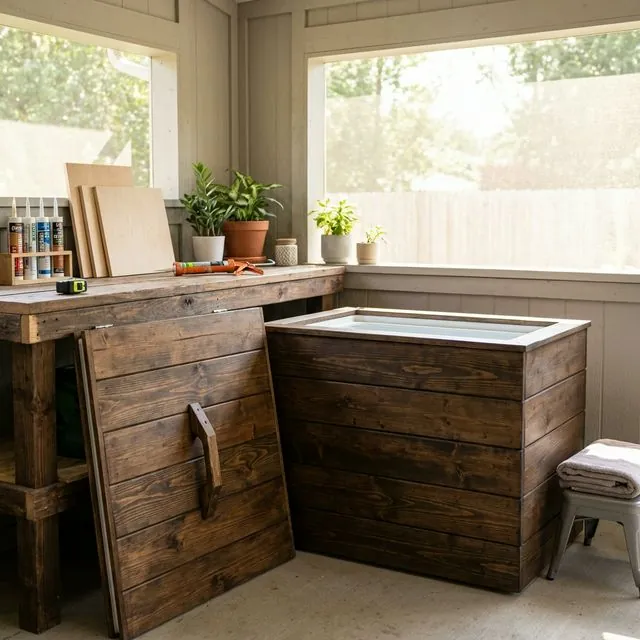
Cloudy cold plunge water usually means one of three things: your sanitizer reserve is too low, your filter is not removing suspended grime, or the water has been sitting long enough for residue and biofilm to build up. The good news is that cloudy water is often fixable if you act before it turns slimy or starts smelling bad.
If you want the fastest path, use the water troubleshooter, then compare the result to your normal water care routine.
What makes cold plunge water turn cloudy?
Cloudy water is usually suspended organic material. Sweat, body oils, dead skin, detergent residue from swimsuits, and missed sanitizer doses all push the water toward haze.
These are the most common causes:
- Low sanitizer: The water still looks "mostly fine," but the sanitizer reserve is gone.
- Heavy use in a short window: Several sessions without enough circulation can overwhelm even a decent setup.
- Weak filtration: A dirty cartridge or undersized filter leaves particles in suspension.
- Hard-water minerals: Fill water with a high mineral load can produce a milky look.
- Early biofilm: If the walls feel slick too, the problem is not just visual.
How do you tell which cause is most likely?
Start with three checks before adding random chemicals.
1. Check sanitizer and pH
If sanitizer is low or zero, the problem is probably organic load. If sanitizer is present but the water is still cloudy, the filter or source water is the better suspect.
2. Inspect the filter and flow
Weak flow, dirty cartridges, or a pump that only runs a couple of hours per day often explain persistent cloudiness. A plunge that looks acceptable right after a fresh fill but turns hazy after a few days usually needs better circulation.
3. Wipe the waterline
If the waterline feels greasy or slimy, you are looking at the front edge of a broader maintenance problem. That means cloudiness is probably tied to residue and biofilm, not just particles.
What should you do right now?
If the water is cloudy but not green, not foul-smelling, and not slimy, use this order of operations:
- Test first. Confirm sanitizer and pH before dosing anything.
- Clean the filter. Rinse or replace the cartridge so the system can actually remove debris.
- Shock only if sanitizer is low. If your sanitizer is already in range, adding more may make the water harsher without fixing the root cause.
- Run circulation longer. Four hours per day is the floor. Six to eight hours is safer for frequent use.
- Wipe the shell and waterline. Residue on the walls usually matches what is floating in the water.
If clarity does not improve after 12 to 24 hours of circulation, move from rescue mode to reset mode.
When should you drain the plunge instead of trying to save it?
Drain and scrub the plunge if any of these are true:
- The water is cloudy and smells musty.
- The shell feels slimy.
- The filter clogs again immediately after cleaning.
- The water sat unused for a week or more with weak circulation.
- You are not confident in the chemical history of the current fill.
Once cloudiness crosses into smell or slime, the time you spend trying to rescue the water often costs more than a clean restart.
How do you keep cloudy water from coming back?
The prevention plan is simple:
- Follow a real maintenance schedule instead of waiting for the water to look bad.
- Run more circulation after heavy-use days.
- Clean the filter before it becomes a bottleneck.
- Wipe the waterline every few sessions.
- Keep the lid on so heat swings and contamination stay lower.
If your setup is outdoors or you are running in a hot climate, read the chiller maintenance guide and the insulation guide. Warm ambient conditions make cloudiness and sanitizer drift worse.
Does cloudy water always mean it is unsafe?
Not always, but it always means something is off.
Some cloudy water comes from minerals or fine particles. Some comes from low sanitizer. The visual alone is not enough. That is why test strips, filter checks, and a quick waterline inspection matter more than guessing.
If you want a fast diagnosis path for the exact symptom in front of you, start with the water troubleshooter. If you want the full routine that keeps the problem from repeating, use the maintenance hub.
You Might Also Like
How Often to Change Cold Plunge Water
Most cold plunge owners should change water every 30 to 90 days depending on sanitizer, filtration, usage, and climate. Here is the practical rule set.
Cold Plunge Smells Bad? Fix It Fast
A bad-smelling cold plunge usually means stagnant water, low sanitizer, or hidden biofilm in the plumbing. Here is how to diagnose and fix it.
Cold Plunge Biofilm: What It Is and Fixes
Cold plunge biofilm is the slimy bacterial layer that builds on walls, hoses, and filters when sanitation falls behind. Here is how to remove it.
Best Cold Plunge Tubs for 2026
Our top-rated cold plunge tubs after hands-on testing.